

Imagine turning an ordinary swimming pool into a floating fitness studio, where yoga, strength training, balance, and movement come together in a new way. Welcome to Float Into Fitness, an innovative approach to aquatic exercise that brings traditional yoga and fitness programming onto floating aquatic mats. Whether you're a yoga instructor looking to expand your teaching opportunities, a fitness professional interested in aquatic training, or a facility manager searching for fresh programming ideas, Float Into Fitness offers a unique way to bring movement to the water. From mindful floating yoga to challenging aquatic fitness workouts, the possibilities extend far beyond traditional pool exercise. In this guide, we'll explore what Float Into Fitness is, the different classes available, the equipment you'll need, how to prepare your pool, and how to become a certified instructor.
What Is Float Into Fitness?
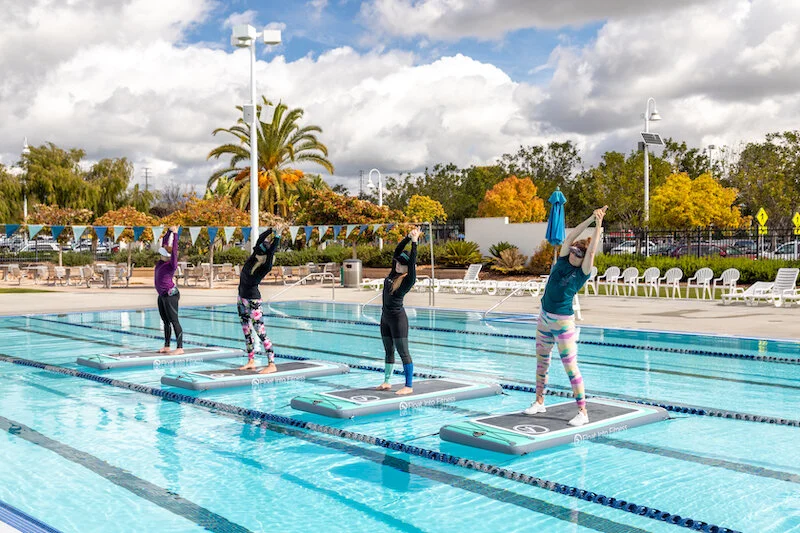
Float Into Fitness is a specialized aquatic yoga and fitness program performed on inflatable fitness mats used in swimming pools. Unlike traditional water aerobics, where participants typically exercise while standing or moving through the water, Float Into Fitness incorporates movements performed on a floating platform. The unstable surface adds a unique challenge to familiar exercises, requiring participants to engage stabilizing muscles, maintain body awareness, and adjust to the natural movement of the water.
Classes can incorporate:
Hatha and Vinyasa-inspired yoga
Balance and stability training
Core strengthening exercises
Functional fitness movements
High-intensity interval training (HIIT)
Aquatic circuit training
Mind-body movement and relaxation
The result is an engaging fitness experience that combines the physical benefits of exercise with the enjoyment of being on the water. Float Into Fitness is designed for instructors and facilities that want to offer something different from conventional studio and pool-based workouts.
What Are the Benefits of Floating Yoga and Fitness?
One of the most distinctive features of floating fitness is the way the aquatic environment changes familiar movements. A simple yoga pose or bodyweight exercise can feel completely different on a floating platform.
Balance and Stability
Because the mat responds to movement, participants continually make small adjustments to maintain their position. These adjustments challenge balance, coordination, and postural control.
Core Engagement
The abdominal, back, and hip muscles contribute to stabilizing the body during many floating fitness movements. Exercises such as planks, lunges, and controlled transitions may require additional stabilization compared with performing them on a stationary surface.
Strength and Muscular Endurance
Floating fitness classes can incorporate bodyweight resistance exercises designed to challenge muscular strength and endurance. The intensity can vary considerably depending on the exercises, duration, and class format.
Mind-Body Connection
Floating yoga encourages participants to focus on breathing, body awareness, and controlled movement. The aquatic setting can also create an enjoyable environment for mindful exercise and relaxation.
Variety and Enjoyment
For many participants, the novelty of exercising on the water is part of the appeal. Floating fitness lets you try familiar exercises in a different environment while enjoying a fun, social group fitness experience.

Explore the Four Float Into Fitness Class Formats
Float Into Fitness offers four signature class formats, each designed around a different style of movement. This variety allows instructors to create programming for different interests, experience levels, and facility goals.
1. Gentle Wave — Floating Hatha Yoga
Focus: Mindful movement, balance, flexibility, and controlled transitions.
Gentle Wave brings Hatha-inspired yoga to the floating mat. Participants move through thoughtfully selected yoga postures while developing balance, body awareness, and control. The floating surface encourages mindful transitions and attention to posture. Classes may incorporate seated, kneeling, standing, and supine positions, with modifications based on participant experience. Gentle Wave is an appealing option for facilities looking to offer a mindful aquatic fitness experience.
2. Nautical Flow — Floating Vinyasa Yoga
Focus: Flowing movement, coordination, balance, and dynamic yoga sequences.
Nautical Flow introduces Vinyasa-inspired movement to the aquatic environment. Participants connect postures through controlled transitions while maintaining stability on the floating mat. The changing surface adds a new dimension to traditional yoga sequences. This format is particularly well suited to participants who enjoy movement-based yoga and are interested in exploring familiar postures in a different setting.
3. Surfer's Sculpt — Floating HIIT Fitness
Focus: Strength, cardiovascular conditioning, core stability, and interval training.
Surfer's Sculpt brings a high-energy approach to aquatic mat fitness. Classes combine bodyweight exercises, functional movement, and interval-based training to create an engaging full-body workout. Participants may perform movements such as squats, lunges, planks, and other appropriately modified exercises while maintaining balance on the floating mat. The unstable surface adds an additional coordination challenge. Surfer's Sculpt is ideal for facilities looking to expand their group fitness offerings with a more athletic aquatic workout.
4. Aqua Warrior — Aquatic Fitness & Treading Intervals
Focus: Aquatic conditioning, strength, endurance, and water-based interval training.
Aqua Warrior combines floating mat exercises with movements performed in the water. Depending on the class design and pool environment, participants may transition between mat-based exercises, shallow-water movements, and treading-water intervals. This format creates opportunities for varied cardiovascular and muscular conditioning. Because Aqua Warrior includes activities performed in the water, instructors must carefully consider pool depth, participant swimming ability, supervision, and appropriate modifications. Together, these four class formats provide a flexible foundation for aquatic fitness programming.
What Equipment Do You Need for Float Into Fitness?
The primary piece of equipment is an inflatable aquatic fitness mat designed to support exercise on the water. Float Into Fitness offers a specialized Aquatic Fitness & Yoga Mat measuring approximately 7 feet, 7 inches long. The mat is designed for aquatic yoga and fitness activities and includes attachment points for a four-bungee tethering system. The equipment package includes accessories for inflation, transportation, and maintenance. In addition to the mats, facilities should consider:
Appropriate anchoring and tethering arrangements
Adequate pool space and clearance
Safe participant entry and exit
Suitable water depth for the intended activities
Required safety and rescue equipment
Proper storage and equipment maintenance
The exact setup depends on the pool and the type of classes being offered.
How to Set Up Floating Fitness Mats in Your Pool
One of the most common questions from instructors and aquatic facilities is how to prepare a swimming pool for floating fitness classes. The good news is that many different pool environments may be suitable, provided they have an appropriate layout, anchoring system, and safety procedures.
Step 1: Evaluate Your Pool
Begin by considering the size, shape, and depth of your swimming pool. You'll need enough space for the mats, participant movement, and safe entry and exit. Remember that mats move with exercise, so the available space must account for more than the mats' dimensions alone.
Step 2: Identify Suitable Anchoring Points
Floating fitness mats use a tethering system to help manage their movement. Most commercial pools have existing lane-line anchors. Other pools, including custom residential pools and boutique hotel pools, may require professionally designed alternative anchoring arrangements. Potential solutions include compatible existing wall anchors, professionally installed pool anchors, or engineered removable systems.
Step 3: Plan Your Mat Layout
Arrange the mats to provide appropriate clearance between participants, pool walls, and other obstacles. Consider the movements included in each class. For example, a gentle yoga session may require different space than a high-energy fitness class with larger movements. Determine mat spacing through a site-specific assessment rather than a universal measurement.
Step 4: Inspect and Test Equipment
Before every class, inspect the mats, valves, tethering components, and anchoring connections. Test the setup under controlled conditions before participants begin exercising. Confirm that participants can safely enter the water, return to their mats, and reach designated pool exits.
Step 5: Establish Safety Procedures
Aquatic fitness instructors should understand the facility's emergency procedures, participant screening requirements, and supervision arrangements. Classes should be conducted with appropriate qualified supervision and access to emergency equipment. A well-prepared pool environment helps create a more enjoyable and professional experience for everyone involved.
How to Prepare for Your First Floating Fitness Class
Whether you're an instructor preparing to teach or a participant attending your first class, a little preparation goes a long way.
For Instructors
Before class, review your lesson plan and select exercises appropriate for the participants and pool environment. Prepare modifications for different experience levels. Inspect the equipment, verify the mat setup, and review emergency procedures. Explain how participants should enter and exit the mats, maintain their balance, and respond if they fall into the water. Begin with foundational movements before progressing to more challenging sequences.
For Participants
Wear comfortable swimwear or athletic clothing appropriate for the pool environment. Follow the instructor's directions for entering the water and getting onto the mat. Be prepared to get wet—even during yoga! Most importantly, communicate any concerns about swimming ability, balance, or physical limitations before class begins. Floating fitness should be challenging and enjoyable, with exercises selected to match each participant's abilities.
Do You Need a Certification to Teach Floating Yoga or Aquatic Fitness?
A specialized floating fitness certification may not be universally required by law, but facilities, employers, and insurance providers may have their own qualification requirements. Because aquatic fitness takes place in and around water, instructors need to consider safety and teaching responsibilities that differ from those in a traditional fitness studio.
Specialized training can help instructors develop the knowledge and skills needed to lead aquatic mat classes.
Float Into Fitness offers instructor certification programs covering:
Aquatic fitness equipment and setup
Water safety considerations
Floating yoga and fitness teaching techniques
Exercise modifications and progressions
Class structure and programming
Instructional methodology
Practical teaching application
Certification options include yoga-focused and fitness-focused training. For professionals who want to offer a broader range of classes, combined training offers opportunities to learn both disciplines.
Can You Complete Float Into Fitness Certification Online?
Yes! Float Into Fitness offers online instructor certification, allowing eligible yoga and fitness professionals to complete training at their own pace. Online education is particularly convenient for instructors who don't live near an in-person training location.
And one of the most helpful features is that you don't need access to a swimming pool to complete your practical video submissions. Approved home-based mat demonstrations can be used for the practical component, making the program more accessible to instructors who are still preparing to introduce floating fitness at a facility. Of course, completing online certification is different from preparing to conduct classes in a pool. Instructors must still ensure that their eventual teaching environment meets appropriate safety, equipment, and supervision requirements.
Can You Earn Continuing Education Credits?
Yes. Float Into Fitness offers continuing education opportunities for eligible fitness and yoga professionals. The program has continuing education recognition through ACE, NASM, and Yoga Alliance, subject to the applicable course requirements and approval details. For instructors who maintain professional credentials, continuing education provides an opportunity to expand their knowledge while working toward renewal requirements. Before enrolling, review the current course listing to confirm which credits apply to your certification and professional organization.
Who Is Float Into Fitness For?
Float Into Fitness can appeal to a variety of professionals and facilities. Yoga instructors can expand their teaching skills by introducing familiar yoga principles to an aquatic environment. Personal trainers and group fitness instructors can explore new class formats incorporating balance, strength, and cardiovascular exercise. Aquatic fitness professionals can diversify their pool programming with floating mat-based classes. Athletic clubs and recreation centers can introduce specialty fitness experiences for their members. Hotels and resorts can explore floating yoga and fitness as part of their wellness programming. Private pool owners may also be interested in aquatic fitness, provided their pool and equipment setup are suitable. For facilities, floating fitness can provide an opportunity to make additional use of existing aquatic space while offering participants something new.
Frequently Asked Questions About Float Into Fitness
Do you have to know how to swim to participate?
Swimming ability and water confidence are important considerations. The facility and instructor should establish participant requirements based on the pool environment, class format, and safety procedures. Participants should disclose their swimming ability before attending.
Can Float Into Fitness be offered in any swimming pool?
Not every pool will be suitable. Evaluate pool dimensions, depth, anchoring options, supervision, and safe access before introducing classes. Some custom pools may require additional equipment or professionally installed anchoring systems.
Do floating fitness mats need to be anchored?
Yes, Float Into Fitness mats should be secured using an appropriate tethering and anchoring arrangement for the intended class environment. The system must be compatible with the equipment and pool.
How many floating fitness mats can fit in a pool?
The number depends on pool size, mat dimensions, clearance requirements, anchoring configuration, and the types of movements being performed. We recommend a site-specific assessment before setting class capacity.
Do I need to own a pool to become certified?
No. Float Into Fitness offers online training options, and eligible students can complete practical video submissions without access to a swimming pool. However, instructors planning to teach pool-based classes must ensure their eventual facility is appropriately equipped and supervised.
Can I earn ACE or Yoga Alliance continuing education credits?
Float Into Fitness offers eligible continuing education opportunities through ACE and Yoga Alliance. Credit amounts and eligibility depend on the specific course and applicable provider requirements.
Can I teach both floating yoga and floating fitness?
Yes. Float Into Fitness offers training pathways covering yoga and fitness programming. Combined training can help instructors prepare to teach a wider variety of aquatic mat classes.

Bring Yoga and Fitness to the Water with Float Into Fitness
Whether you're looking to introduce a new fitness experience to your facility, expand your teaching credentials, or explore the possibilities of aquatic exercise, Float Into Fitness offers a unique way to combine movement and water. From mindful yoga and flowing sequences to strength training and aquatic intervals, the four signature class formats provide opportunities to create engaging programs for a variety of participants. With specialized equipment, thoughtful pool preparation, and professional instructor education, you can begin bringing floating fitness to your community.
Ready to get started?
Explore the Float Into Fitness online instructor certifications, aquatic fitness mats, and training opportunities available through Paddle Into Fitness.
Float. Move. Strengthen. Inspire.
Discover a new way to bring fitness to the water.